
When Ottawa hits that stretch of deep cold, windchill, frozen steps, slushy boots lined up by the door, your appliances feel it too. Not because your washer or dishwasher is sitting outside, but because winter changes what’s happening around them: plumbing temperatures, humidity, water pressure, and even how often you run loads. And when something is already a little worn out, winter has a way of turning “mostly fine” into “why is this leaking at 7 a.m. on a Tuesday?”
If you’ve noticed your laundry room or kitchen acting up once the temperature drops, you’re not imagining it. Here’s why washers and dishwashers can get finicky in winter, and what you can do before a small issue turns into a bigger repair.
Cold snaps affect your water supply more than you think
Most washers and dishwashers rely on a steady flow of water at a reasonable temperature. During cold snaps, water lines can run colder, especially in older homes, basements, exterior walls, or additions. In some cases, supply lines can partially freeze or “pinch” with ice buildup, causing slow fills, error codes, or weak cleaning performance.
Even if nothing is frozen, colder incoming water can make detergent dissolve poorly. That can leave residue in the washer, make clothes feel stiff, or cause dishwashers to finish a cycle with gritty film on glasses. Some machines try to compensate by heating water internally, but that adds strain and can expose heating elements that are already on their last legs.
Washers: drains, hoses, and pumps don’t love winter
In Ottawa winters, basements get colder and laundry rooms can become drafty without anyone noticing, until the washer starts complaining. One common cold-weather problem is slow draining. If your drain hose runs through a chilly area, the water inside can thicken with lint and soap buildup, and the pump has to work harder. If the pump is already weak, it might start leaving water in the drum or stopping mid-cycle.
Another winter classic is a sudden leak. Rubber hoses and gaskets naturally stiffen in colder temperatures. A hose that’s been “okay” for years can start seeping, especially when pressure changes or the machine vibrates during a spin cycle. If you see water pooling near the front of the washer or dampness around the back, don’t shrug it off, water damage spreads fast.
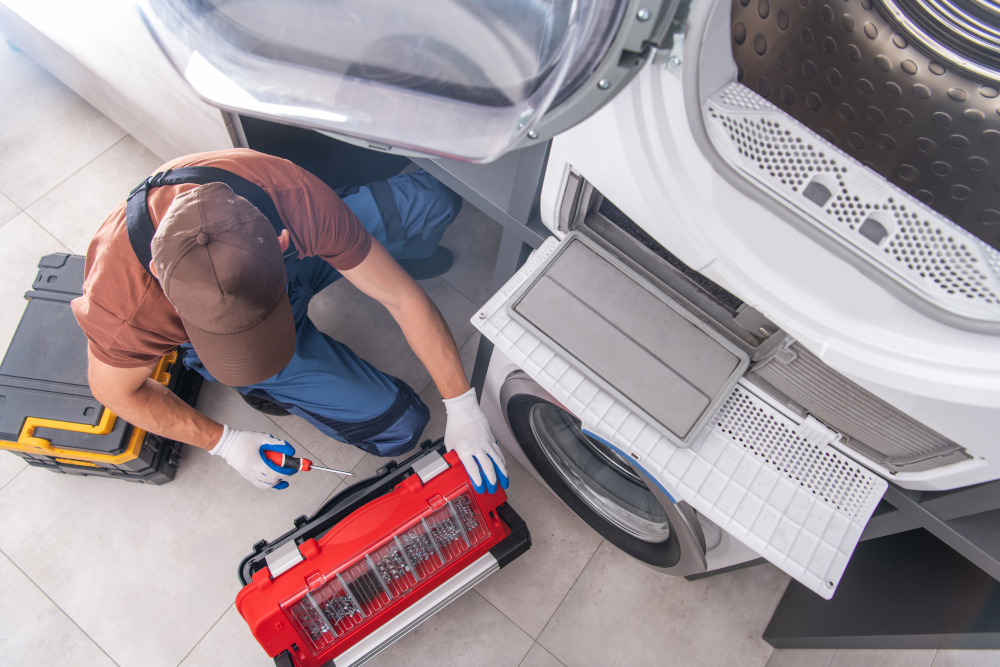
If your washer is acting up, won’t drain, won’t fill properly, is shaking more than usual, or is leaving clothes soaked, it’s usually cheaper to deal with it early. If you need help, here’s our page for washer repair in Ottawa with the details on what we service and what to expect.
Dishwashers: winter problems often look like “bad cleaning”
Dishwashers are sneaky in winter because they don’t always fail loudly. Often, the first sign is that dishes just aren’t coming out clean. You might see cloudy glassware, greasy plates, or leftover grit in cups, especially after a cold night.
One big reason is water temperature. Many dishwashers need hot water to break down grease properly. If your hot water takes longer to reach the kitchen faucet in winter (common in Ottawa homes with longer runs), the dishwasher may start filling with lukewarm water. The cycle runs, but it never gets hot enough to do a proper job.
Winter can also highlight drainage issues. If your kitchen plumbing is cold and there’s already a bit of buildup in the drain line or garbage disposal connection, the dishwasher might drain slowly or back up. That can leave standing water in the bottom, create odours, or trigger error codes.
If your dishwasher is leaving water behind, making a humming noise without moving water, or taking forever to finish a cycle, it’s time to stop guessing. Our dishwasher repair and installation service page covers common issues and when it makes sense to repair versus replace.
Quick winter checks you can do at home
You don’t need a toolbox full of gadgets to rule out the basics. A few simple checks can save you a service call, or help you explain the issue clearly if you do need one.
For washers:
- Make sure the supply valves are fully open and the hoses aren’t kinked.
- Look for frost-cold air drafts near the plumbing, especially in basements and laundry closets.
- If the washer drains slowly, check for lint buildup in the pump filter (if your model has one).
For dishwashers:
- Run the hot water at the kitchen sink for a minute before starting a cycle on very cold days.
- Clean the filter at the bottom of the dishwasher if it’s accessible.
- Check for standing water after a cycle, don’t ignore it if it keeps coming back.
If any of these steps make the problem worse (or you see leaking), stop and get it checked. Winter is not the season to “see how it goes” with water.
When to call for Ottawa appliance repair
Here’s a good rule: if you’re dealing with water (leaks, standing water, filling problems), act sooner. Ottawa winters already put enough stress on your home, appliances don’t need to add “surprise cleanup” to the list.
A quick, straightforward service visit can often prevent a bigger failure later, especially if it’s a hose, pump, valve, or heating issue that’s starting to slip. And if the machine is near the end of its life, a technician can tell you honestly whether it’s worth fixing or if you’re throwing money at it.
The bottom line
Ottawa winters change the conditions your washer and dishwasher operate in, colder water, draftier spaces, and a bit more strain on pumps and heaters. The good news is most winter-related issues are fixable, and many are cheaper when caught early.
If your washer or dishwasher is acting up now that the temperature has dropped, you don’t have to wrestle with it until spring. Get it looked at, get it sorted, and get back to enjoying winter for what it’s meant to be, anything other than mopping up a surprise puddle.